Mississippi has produced an unusual number of writers who completely changed American literature.
Not writers who were simply successful. Writers people still study, debate, quote, and rediscover decades later. Writers whose work shaped how people think about the South, memory, family, race, identity, and storytelling itself.
And somehow, many of them came from the same state.
There’s something unmistakable about writing that comes out of Mississippi. The setting matters, of course, but it’s also the perspective. Mississippi writers tend to notice the things other people skip over. A strange silence in a conversation. The tension sitting underneath a family dinner. The way somebody tells a story differently every time they repeat it.
That attention to detail shows up across generations of writers, even when their styles have almost nothing in common.
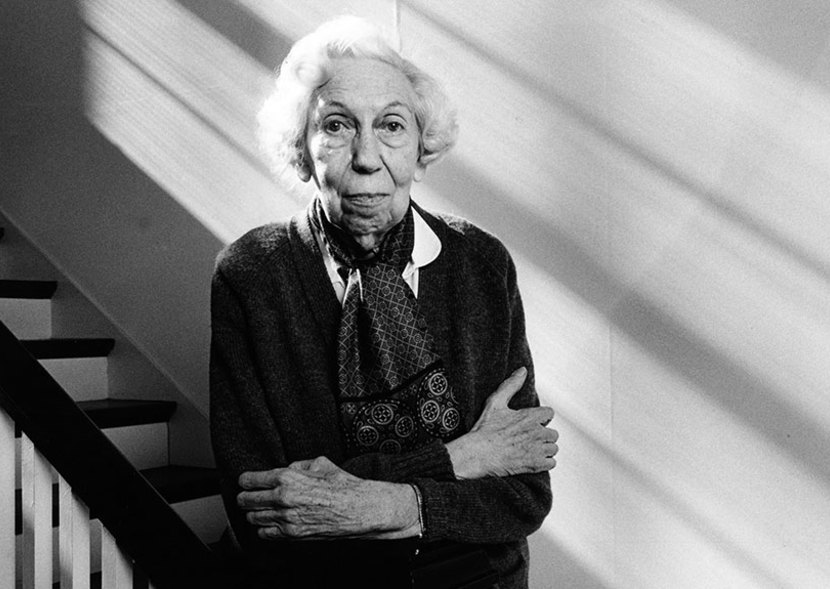
Eudora Welty could turn an ordinary interaction into something quietly moving. Her stories feel observant in a way that almost catches you off guard. She wrote about Mississippi life without flattening it into caricature, which is probably why her work still feels alive.
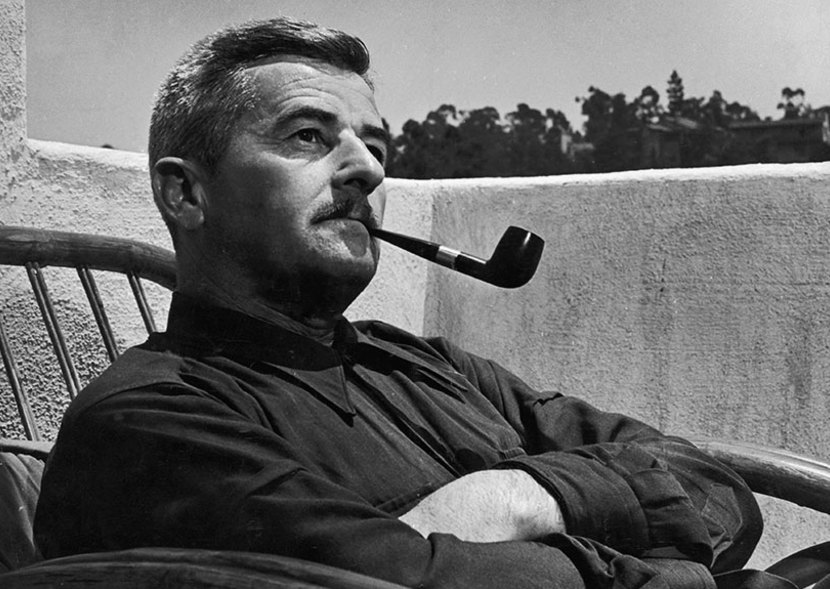
Then there’s William Faulkner, who approached storytelling like he was trying to recreate the inside of the human brain on paper. His novels are layered, emotional, and occasionally difficult on purpose. People joke about needing a translator to read Faulkner, but once his writing clicks, it really clicks.
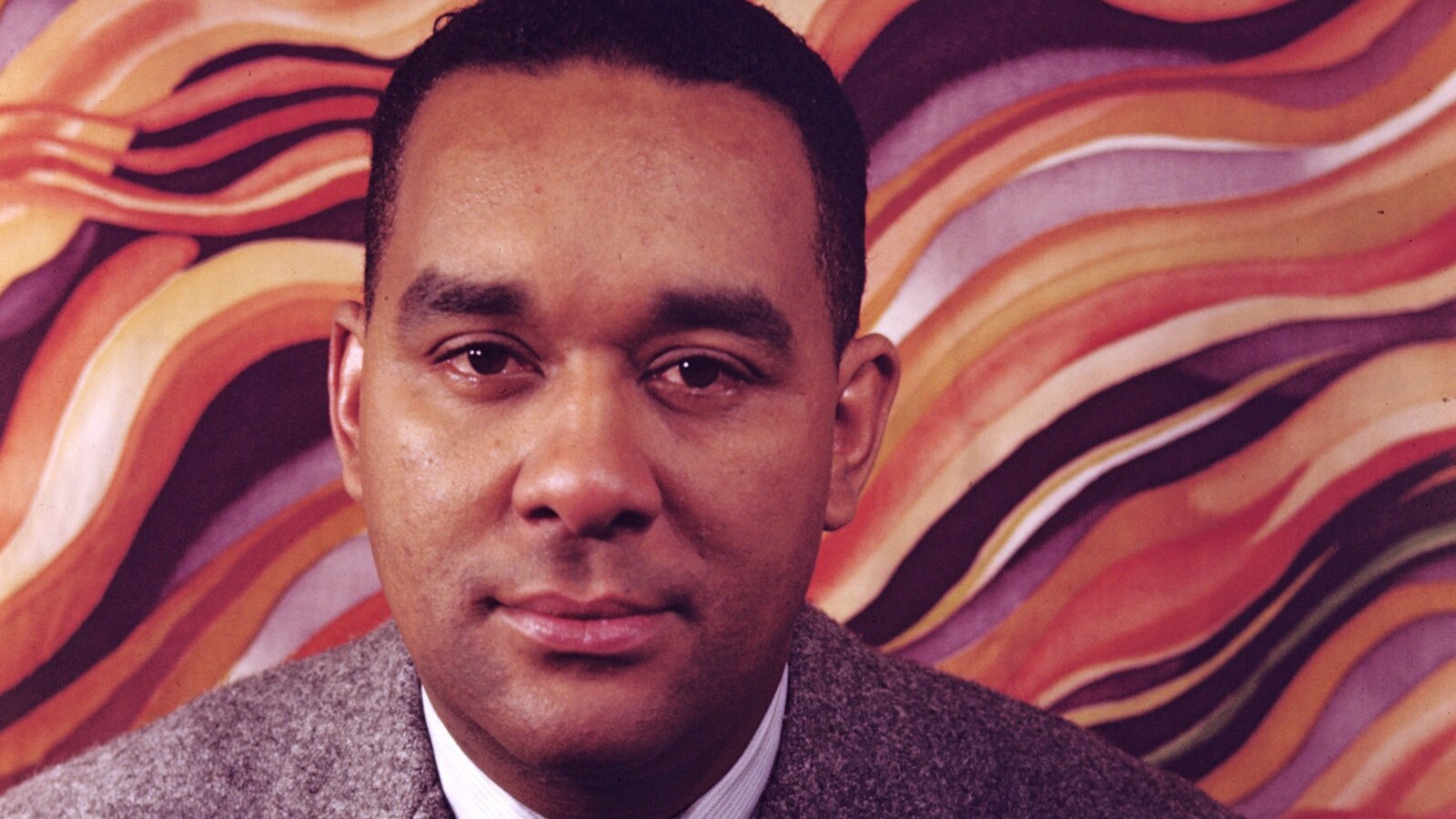
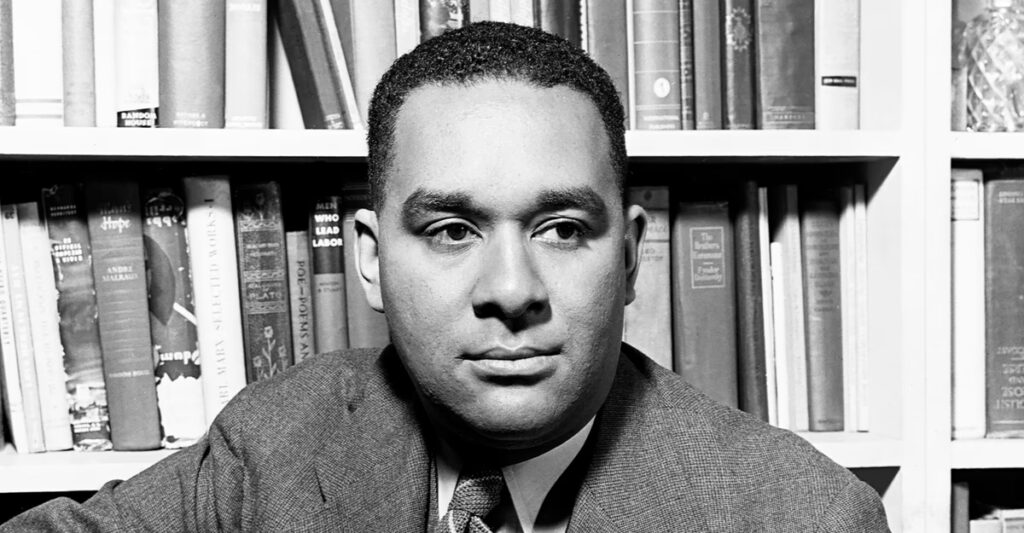
Richard Wright brought an entirely different kind of force. His work confronted racism and inequality directly, without softening the reality of it for readers. He changed American literature because he refused to look away from what was happening around him.
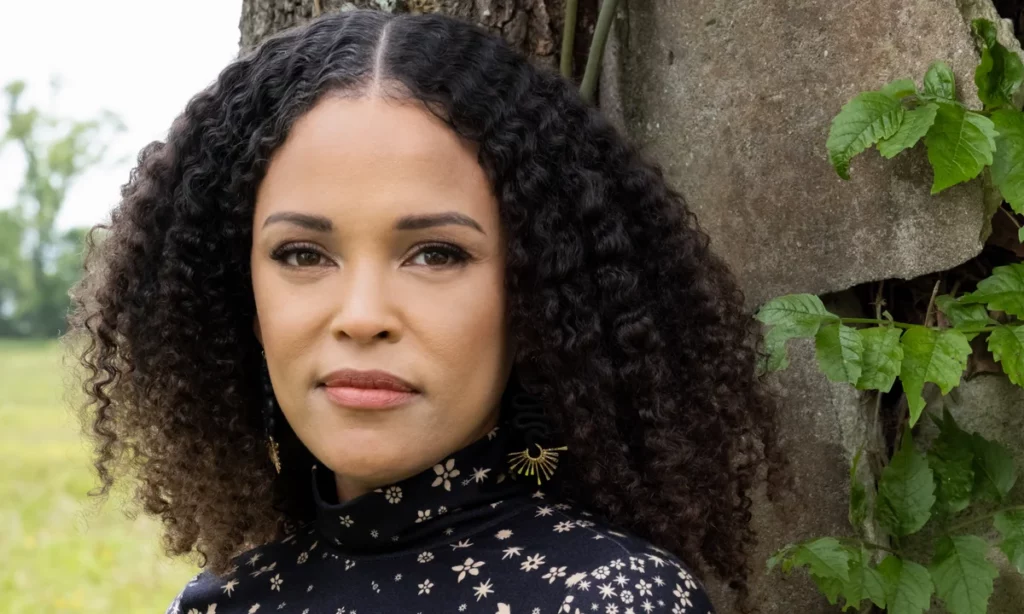
That same honesty carries into the work of Jesmyn Ward. Her writing feels deeply rooted in Mississippi while still speaking to experiences that reach far beyond the South. She writes grief especially well, which sounds strange to say out loud, but anyone who has read her work probably understands exactly what that means.
Meanwhile, Donna Tartt somehow made literary fiction feel glamorous again. Her novels are full of obsession, intellect, isolation, and people making terrible decisions in aesthetically pleasing environments. Entire corners of the internet are still trying to recreate the atmosphere of her books.

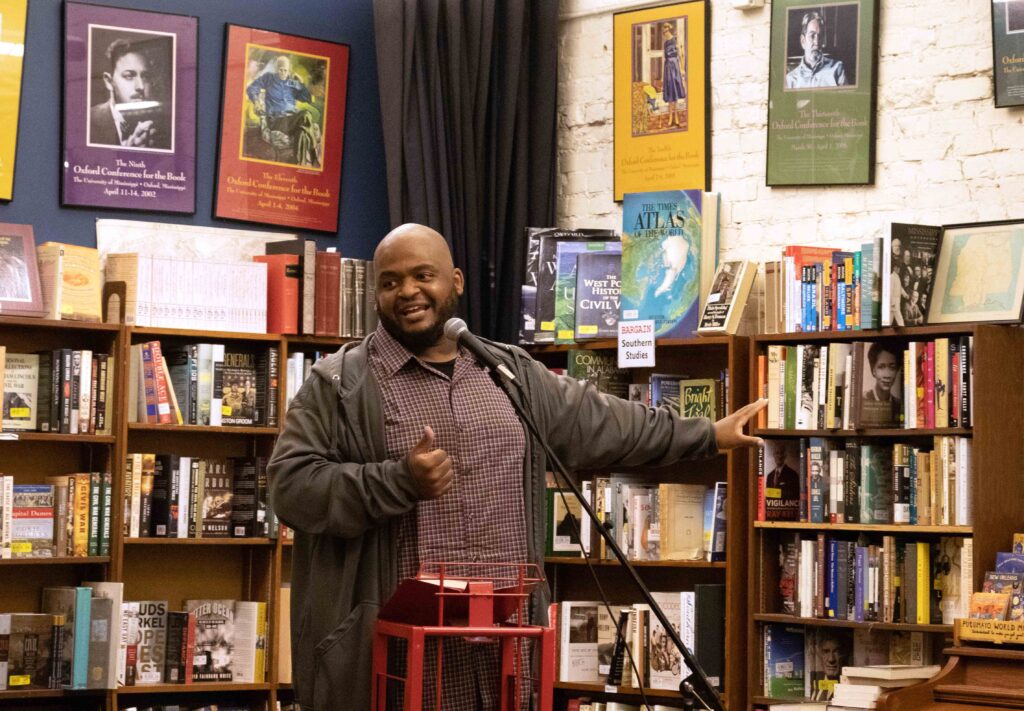
And Kiese Laymon writes with the kind of honesty that can make readers uncomfortable in the best way possible. His work feels conversational until suddenly it hits something painfully real. Few contemporary writers capture Mississippi with the same level of complexity and emotional precision.
Even Tennessee Williams, whose name is now tied so closely to American theater as a whole, carried Southern emotional intensity into everything he wrote. His characters feel fragile and dramatic and deeply human at the same time.
The interesting thing is that there isn’t one defining “Mississippi writing style.” These authors don’t sound alike. They don’t write about the same exact subjects. Some are deeply experimental. Some are direct and stripped down. Some lean literary and atmospheric while others feel intensely personal.
What connects them is the way they pay attention.
Their writing lingers on people. On memory. On place. On the stories families tell themselves over time. Even when readers have never been to Mississippi, there’s still something recognizable in the emotional world these writers create.
Maybe that’s why their work keeps finding new audiences.
And maybe that’s also why Mississippi continues to produce writers people cannot stop talking about.