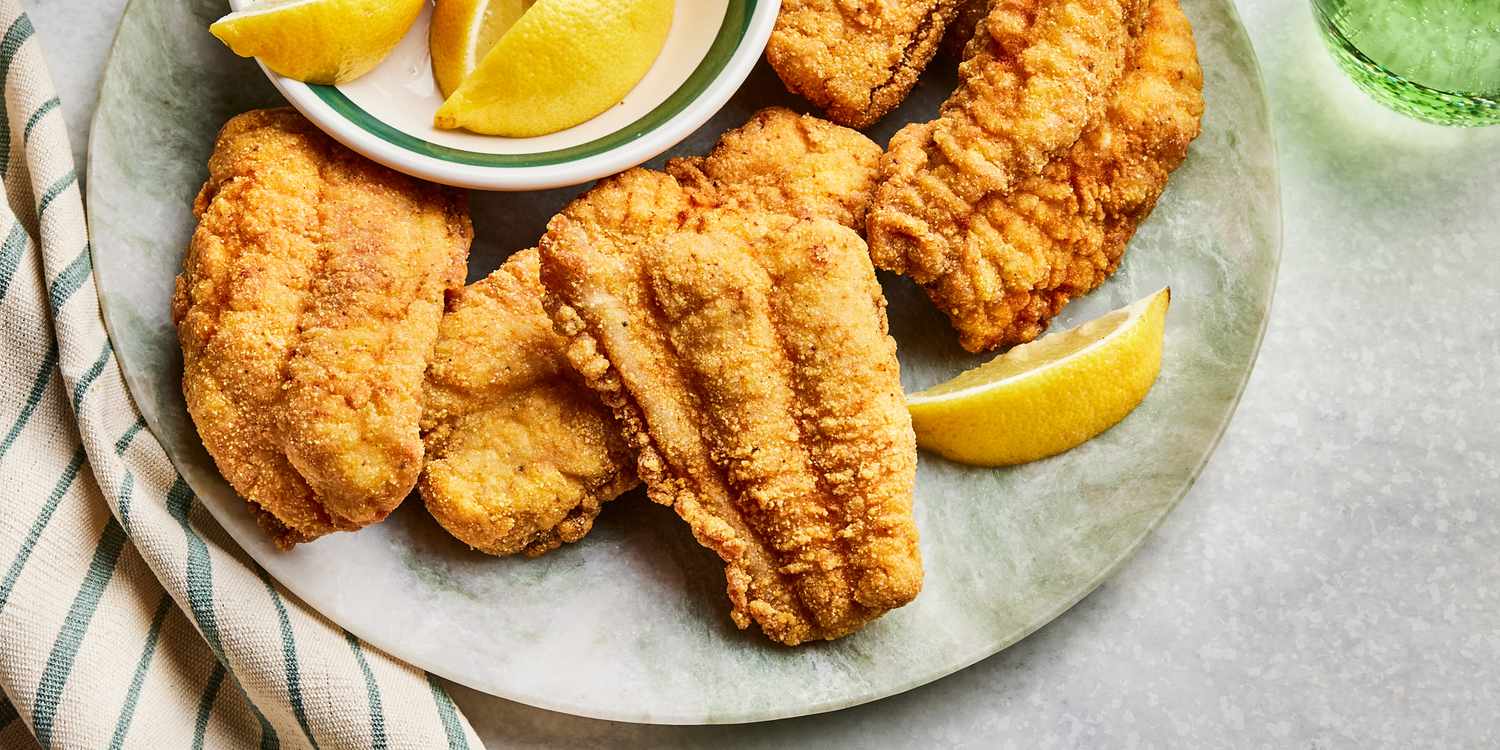
Featured image from https://www.allrecipes.com/ – submitted by Mama Smith
There are plenty of Southern traditions people associate with community life, but very few of them operate with the efficiency of a fish fry. A church can announce one on Facebook at 9 a.m. and by noon there are already folding tables being unloaded from pickup trucks, somebody’s cousin is backing a smoker into the parking lot, and at least three men are debating cornmeal ratios with the seriousness of a Supreme Court hearing.
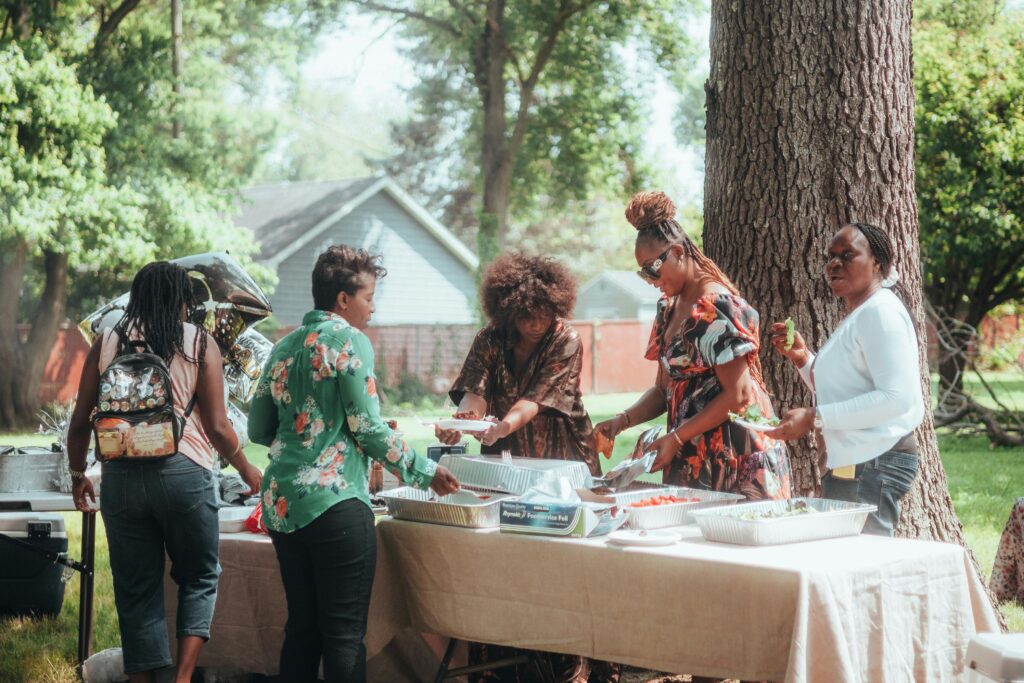
The funny part is that fish fries often look slightly disorganized from the outside. There is usually an extension cord running somewhere it probably should not. Aluminum trays appear in impossible quantities. A teenager is sent to buy more hot sauce at the last minute because someone underestimated attendance by about forty people. Yet the event itself almost always works, because fish fries were never really designed around perfection. They were designed around gathering people together cheaply, efficiently, and in large numbers.
That practicality is part of why the fish fry became so deeply rooted in the South to begin with.
Long before fish fries became church fundraisers or Friday night community events, fish were simply one of the most accessible food sources across large parts of the region. River communities throughout the South relied heavily on fishing because it was affordable and dependable. Catfish, in particular, became closely associated with Southern cooking because they thrived in the rivers, lakes, and muddy waters that stretched across states like Mississippi, Alabama, Arkansas, and Louisiana.
By the twentieth century, Mississippi had become one of the country’s major catfish farming centers, especially in the Delta. Farm-raised catfish helped transform what had once been a locally caught food into a full regional industry, and fried catfish slowly evolved from a practical meal into something closer to cultural identity. Today, catfish is so tied to Mississippi that people speak about seasoning recipes with the same protectiveness normally reserved for family heirlooms.
Still, the fish fry itself comes from something even older than Southern catfish culture.
Frying Fish Was Never Just About the Fish
Communal outdoor cooking traditions exist all over the world, and many historians trace Southern fish fry culture through a combination of influences that developed over generations. West African cooking traditions played a major role in shaping Southern foodways, especially techniques involving seasoned cornmeal coatings, frying methods, and large-scale communal meals. Enslaved Africans brought deep culinary knowledge with them to the American South, and many of those techniques became foundational to what people now recognize as Southern cooking.
There are also Caribbean influences woven into Southern food traditions, particularly in coastal regions where trade routes and migration connected communities across the Gulf South. The broader idea of gathering outdoors around fried seafood, heavily seasoned food, and communal cooking spaces did not emerge from one single source. Like most Southern food traditions, the fish fry developed through layers of cultural exchange over centuries.
That layered history is part of why fish fries feel so communal even now. They were built around the idea that food should feed a crowd, not just an individual.
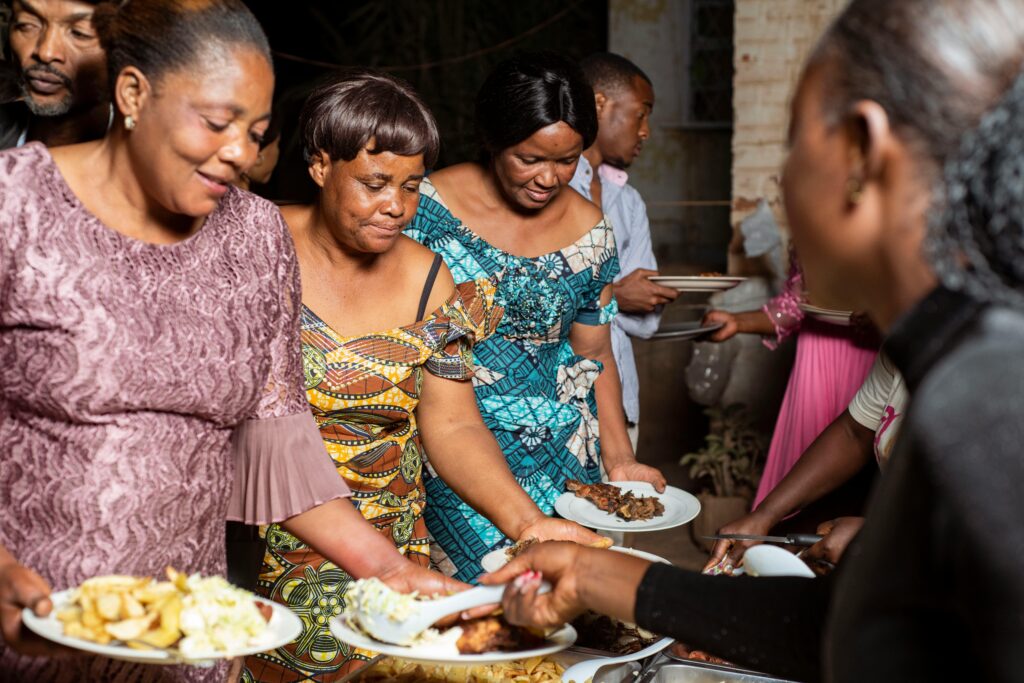
Frying also made practical sense. Large pots of oil could cook huge amounts of fish quickly, especially compared to slower cooking methods that required more equipment or indoor space. Once outdoor burners, cast iron pots, and propane setups became common, fish fries turned into one of the easiest ways to feed an entire church congregation, school event, family reunion, or neighborhood gathering without spending enormous amounts of money.
Which brings us directly to the church parking lot.
The Church Fish Fry Became a Southern Institution
At some point, Southern churches realized fried catfish could fund nearly anything.
Youth trips. Choir robes. Building repairs. Funeral expenses. Mission programs. New vans. Community outreach. Little League sponsorships. If a church needed to raise money quickly, the fish fry became the default solution because it was affordable to organize and almost impossible for people to resist.
That connection also made sense culturally. Fish already carried longstanding Christian associations, especially during Lent and Friday meals, but Southern churches expanded the fish fry far beyond religious observance. The modern church fish fry became less about doctrine and more about hospitality.
People came because somebody invited them. They stayed because Southern churches understand something many institutions still struggle with, which is that feeding people remains one of the easiest ways to create trust and connection.
And Southern churches became incredibly good at it.
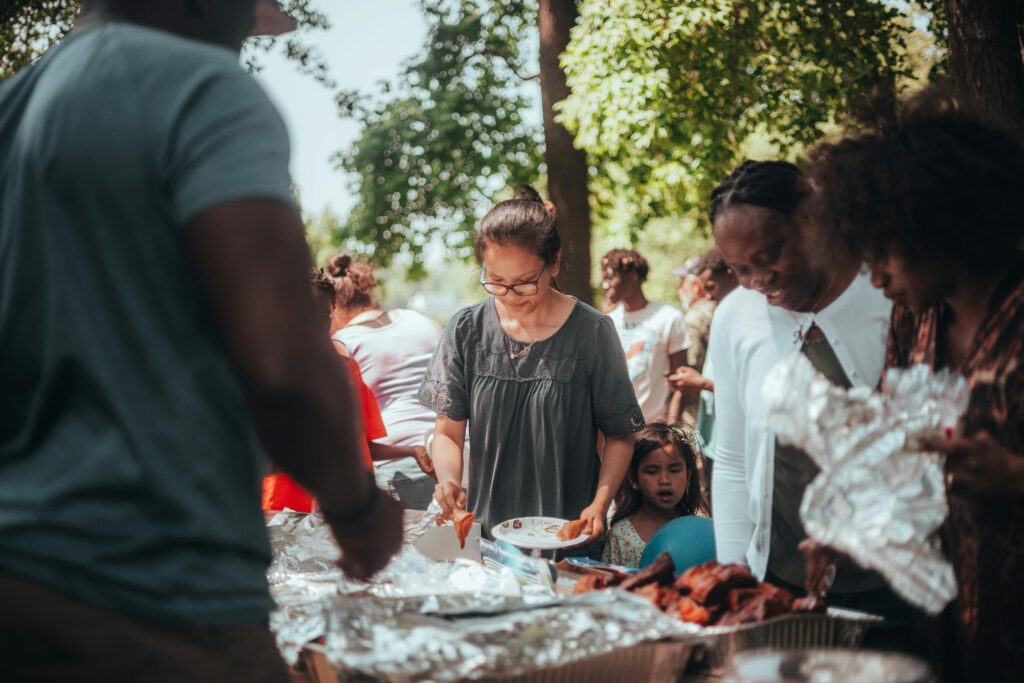
There is an entire category of church volunteer who can somehow coordinate industrial quantities of coleslaw, baked beans, white bread, and fried catfish while also greeting every person in line by name. No corporate event planner on earth can compete with a church kitchen staffed by determined women wearing aprons and comfortable shoes.
The Fish Fry Works Because It Feels Personal
Part of the reason fish fries continue to survive, even as other community traditions fade away, is because they still feel human in a very direct way.
A fish fry is rarely polished. Somebody always burns the first batch. Somebody complains about the seasoning. Somebody insists the grease is either too hot or not hot enough. Yet those imperfections are part of the atmosphere people actually like. The event feels participatory instead of curated.
You still see this culture all over Jackson, especially in small restaurants and neighborhood spots that operate more on reputation than marketing budgets. One recent Instagram reel making the rounds locally featured a woman reviewing a fried fish spot near Jackson State University, and the comments underneath it read less like restaurant reviews and more like community testimony. People were tagging relatives, debating seasoning, arguing over who has the best fish in the city, and sharing memories tied to places exactly like it.
Post by @flourishwithfallah on Instagram sharing her experience at Fish House, located near Jackson State University.
Modern life has become increasingly isolated, convenient, and digital. Most people spend their days looking at screens, ordering food through apps, or communicating through group chats they barely answer. Fish fries operate on the opposite logic. They are loud, crowded, slightly chaotic, and deeply social. You stand in line with people you know. You run into old classmates. You hear local gossip before you even reach the tea station.
And unlike many modern social events, fish fries are built around accessibility. You do not need a reservation, expensive clothes, or a perfectly planned schedule. You just show up hungry.
That simplicity may be the real reason the Southern fish fry has lasted so long.
Underneath all the grease, paper plates, folding chairs, and fiercely defended seasoning recipes, the fish fry still serves the same purpose it always has. It gives people a reason to gather together for a few hours and leave feeling more connected than when they arrived.