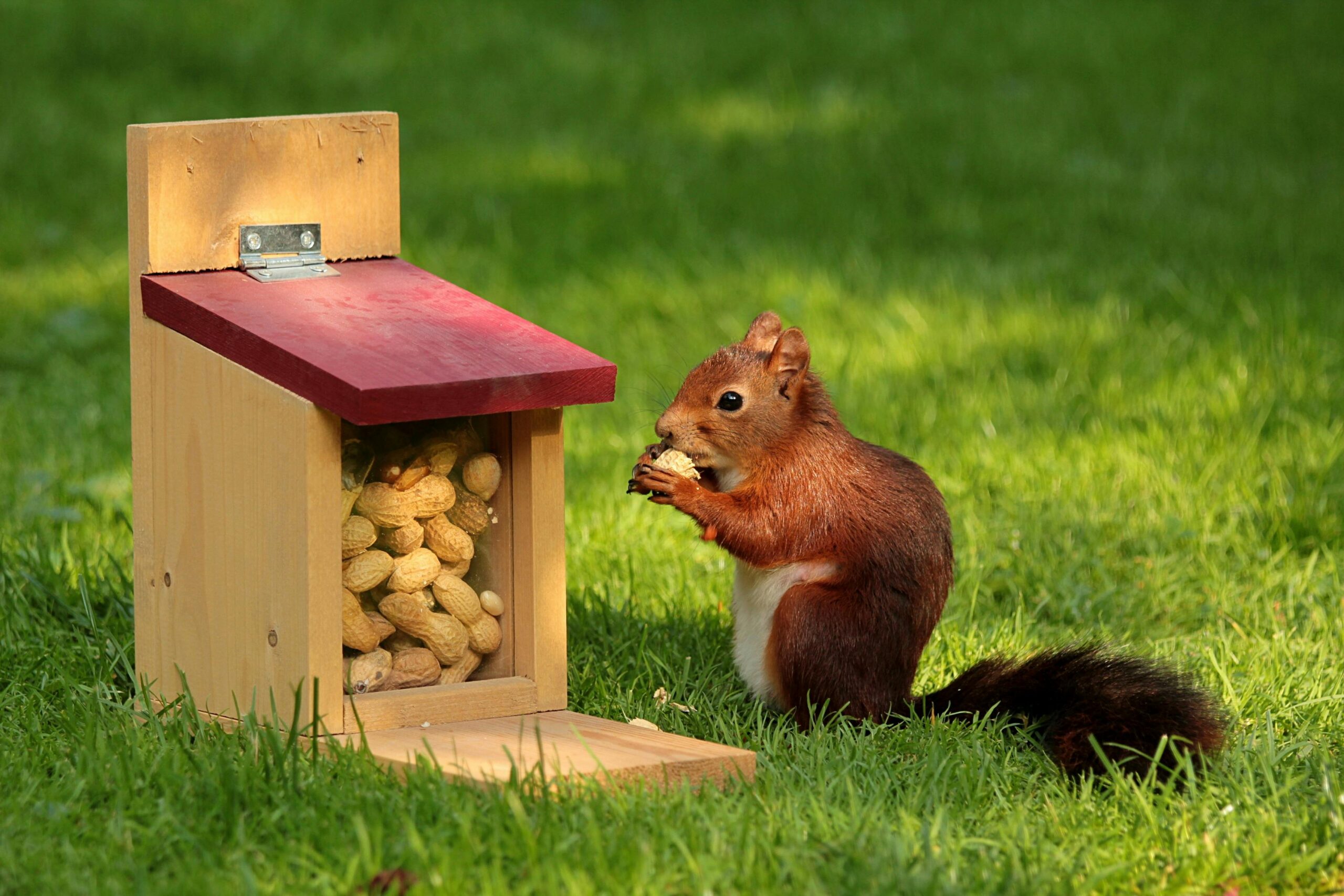
If you have ever visited LeFleur’s Bluff State Park, you already know the squirrels are confident.
They move along the trails like they have a schedule to keep. They perch on low branches and watch passing hikers with open curiosity. They are quick, clever, and completely at home.
It’s easy to laugh at their bold personalities; they are often the first wildlife people notice. But they are only the welcoming committee.
Look a little closer and Mississippi begins to show off.
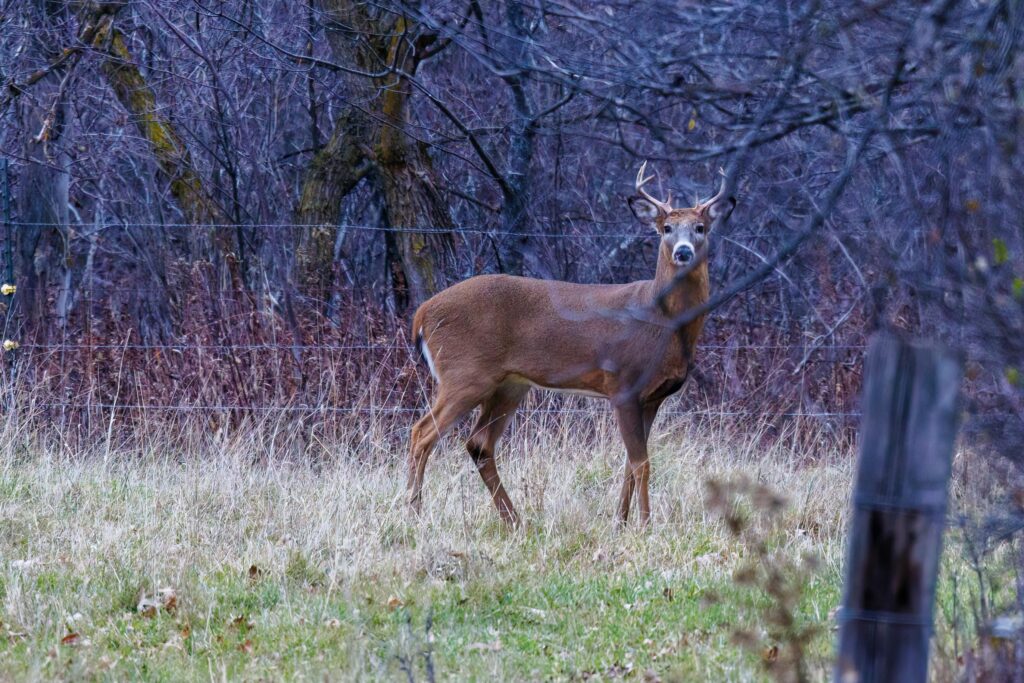
You might spot a great blue heron near the water, standing still as it waits for a fish. White-tailed deer are common in wooded areas, especially in the evenings. Turtles often gather on logs along the riverbanks. During spring and fall, migrating songbirds pass through Mississippi as part of the Mississippi Flyway, using parks and protected green spaces as reliable places to rest.
The reason these moments still happen in the middle of our communities is simple. Mississippi has chosen to protect land on purpose.
State parks managed by the Mississippi Department of Wildlife, Fisheries, and Parks are more than scenic backdrops. They preserve forests, wetlands, riverbanks, and native grasslands that support an enormous range of species. When land remains intact, ecosystems continue working the way they are supposed to.
Trails play a quiet role in that protection. By guiding foot traffic onto designated paths, parks prevent erosion and shield delicate plants from being trampled. Healthy root systems stabilize soil. Native trees provide food and shelter. Insects thrive in leaf litter, which supports birds and small mammals. Everything connects.
Along the Pearl River corridor, preserved banks help filter runoff before it reaches the water. Fish, amphibians, and wading birds benefit from cleaner habitat. In longleaf pine areas across the state, careful management practices such as controlled burns restore natural conditions that certain species depend on. These efforts are not flashy, but they are effective.
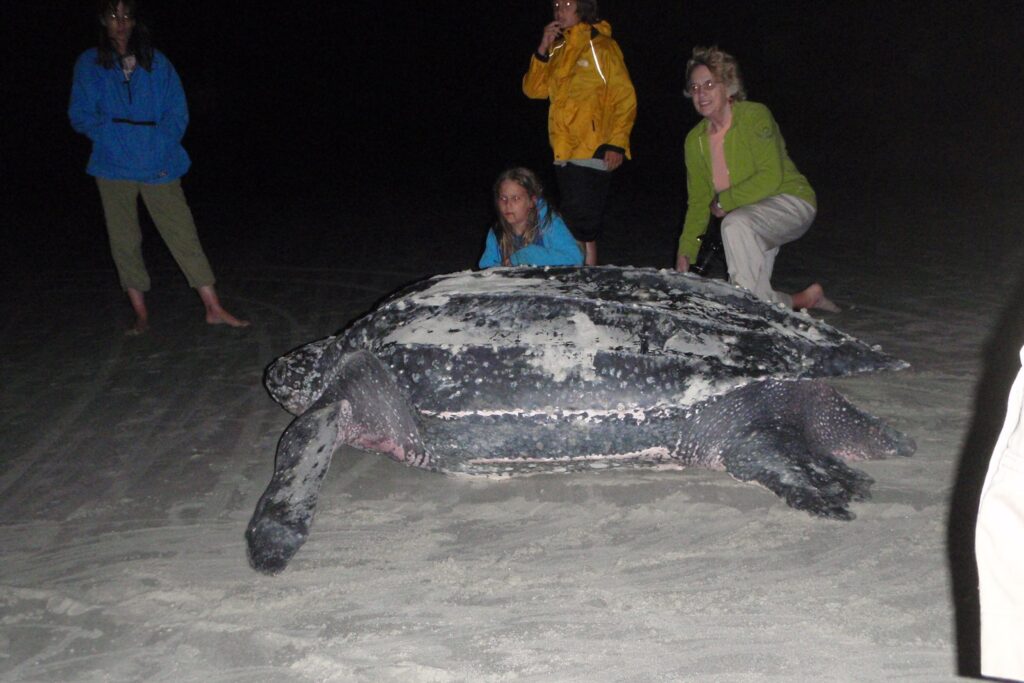
Adult Leatherback Sea Turtle, Glynn Co. (GA), © Grover Brown – Often seen close to coastal MS
What makes Mississippi special is how accessible this wildness feels. You can take a short walk after work and encounter animals living exactly as they should. You do not have to travel far to hear owls at dusk or spot an egret standing perfectly still at the edge of a marsh.
When wildlife has room to move, forage, and nest without constant disruption, it stays resilient. When people have access to that same space, they gain something too. A sense of connection. A better understanding of how much life exists just beyond the pavement.
The squirrels may be the stars of the show at first glance. They are charming, expressive, and impossible to ignore. But they are part of a much larger story unfolding in Mississippi’s state parks and trail systems every day.
These spaces give animals what they need to thrive. In return, they give us the chance to witness something genuine.
Walk slowly. Look up. Notice what shares the trail with you.
In Mississippi, wild things are not far away. They are right here, living well because we made room for them.