Before Instagram, Jackson Had a Literary Community
Long before a Jackson writer could announce a new book on Instagram, there were other ways to let people know you had something to say.
A newspaper column could do it. So could a literary magazine passed between students. A book club could bring people together around a writer’s work. A professor might introduce a young poet to someone who could help get that work published. Sometimes, apparently, all it took was a group of friends sitting around a living room talking about books.
Jackson has been doing this for a long time.
The city’s literary history is often told through its biggest names. Eudora Welty was born here and spent most of her life here. Richard Wright spent part of his childhood in Jackson. Margaret Walker spent decades teaching at Jackson State University. Other writers, poets and playwrights with connections to the city include Beth Henley, Richard Ford, John Alfred Williams, Sterling Plumpp and Jerry Ward (Mississippi Encyclopedia, 2017).
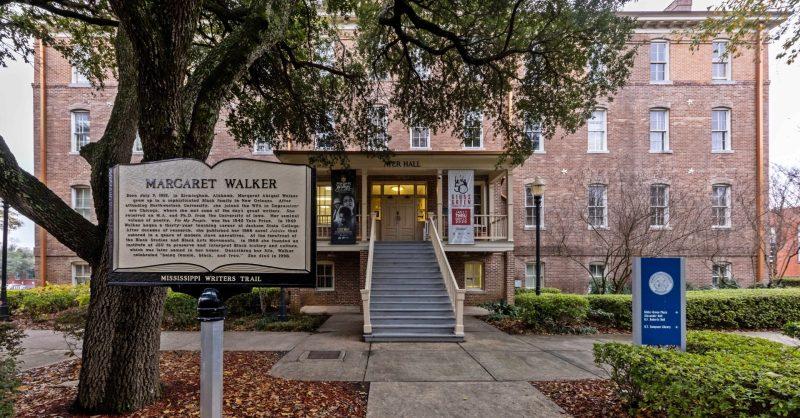
Margaret Walker Center | Visit Jackson – Jackson State University
But famous authors are only part of the story.
There has always been another layer underneath them: the people, publications, classrooms, newspapers and gathering places that helped writers find each other.
And that part of Jackson’s literary history is especially interesting now, when finding your people has become as easy as following the right account.
Before the feed, there was the page
Jackson has had newspapers for a very long time. The Mississippi State University Libraries’ newspaper collection includes Jackson publications dating back to the 1830s, with titles such as The Clarion, Jackson Daily News, Jackson Daily Times, Jackson Advocate and others documenting different eras of life in the capital (Mississippi State University Libraries, 2026).
These weren’t literary magazines in the modern sense, but newspapers created something that can be easy to overlook now: a shared local record.
Writers could publish there. Critics could respond to books and performances. Readers could see the names of people doing interesting things around town. A person interested in writing could discover that other people in Jackson were interested in it, too.
By the middle of the 20th century, Jackson newspapers were making room for people who took the city’s creative life seriously.
Louis Dollarhide, an English professor who became the Clarion-Ledger‘s art critic, wrote more than a thousand reviews of literature, theater and music between 1955 and 1976. His regular column, “Of Art and Artists,” made a point of discussing new writers alongside more established ones (Mississippi Encyclopedia, 2017).
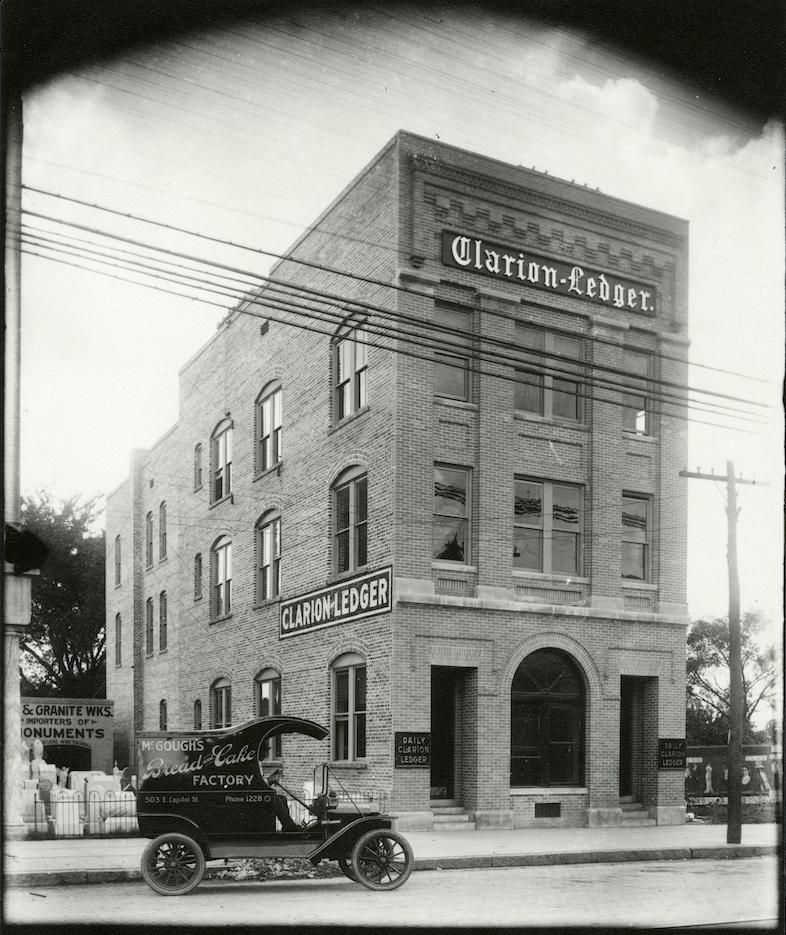
Image from Mississippi Encyclopedia
That matters because a local literary community needs more than people who write.
It needs people who read the work, talk about it and tell other people that it exists.
Jackson writers had their own circles
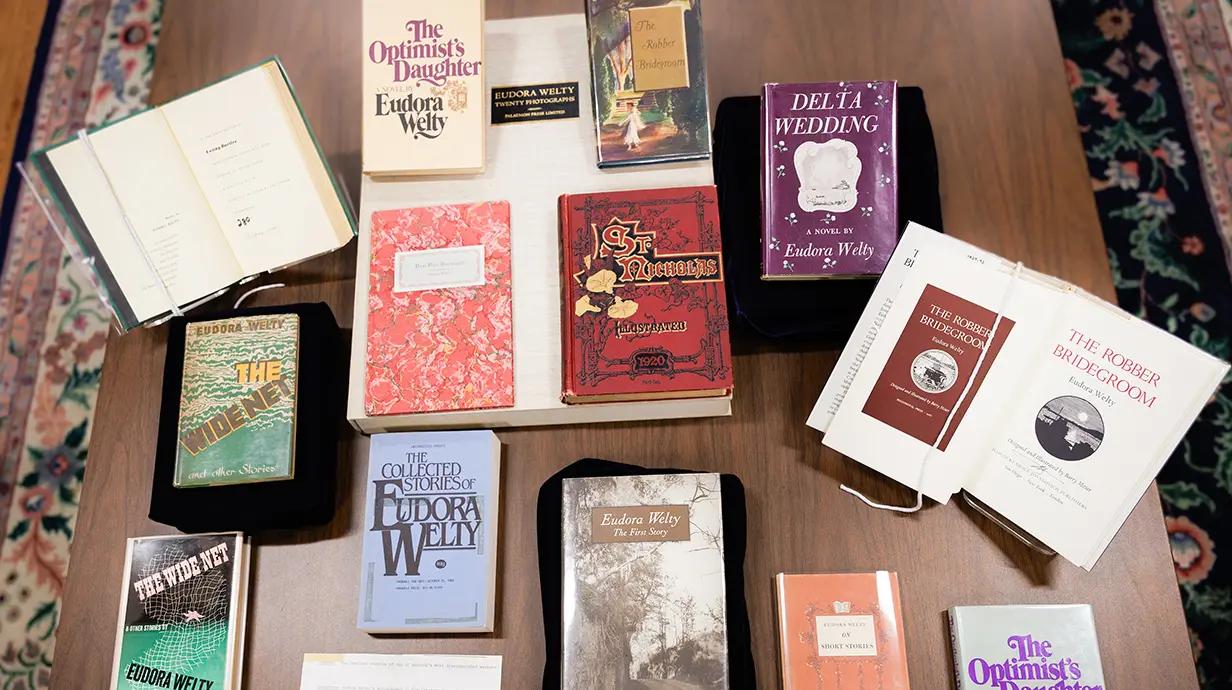
Eudora Welty’s Jackson offers one of the clearest examples.
In the 1930s, Welty had a close group of friends who gathered regularly at her Jackson home. Their conversations ranged across literature, theater, music and the cultural life happening beyond Mississippi. The group became known as the Night-Blooming-Cereus Club, named after the flower that bloomed in Welty’s garden (Mississippi Free Press, 2013).
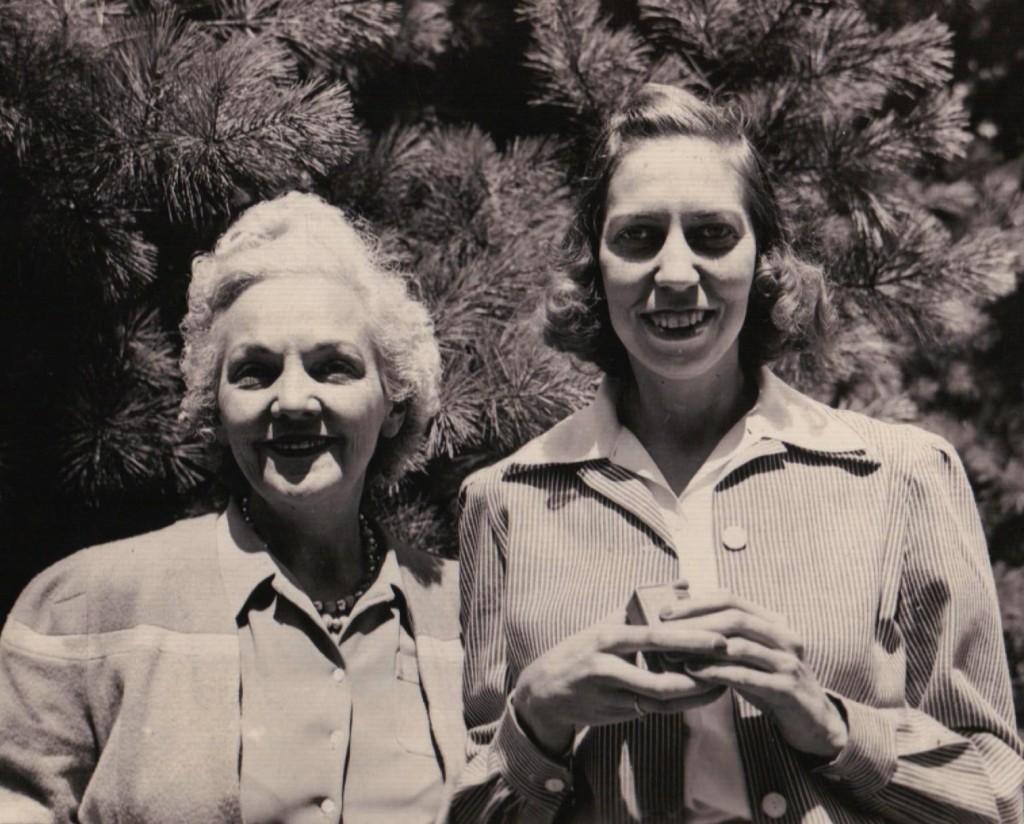
Image from Something Rhymed
There is something very recognizable about that, even nearly a century later.
People who make things tend to find other people who make things.
The technology changes. The basic instinct doesn’t.
And Jackson’s literary circles were never limited to one particular version of Mississippi literature.
During the 1970s, Jackson State University and Tougaloo College became important centers of Black poetry activity. Literary magazines including New Visions at Jackson State and Pound at Tougaloo gave student writers places to publish their work. Writers connected to the Jackson area during that period included Jerry Ward, Virgia Brocks-Shedd, Nayo Watkins, Jonetta Turner, Charles Tisdale and others (Anthology of Black Mississippi Poets, 1970s).
That history is important because it shows what a literary community actually looks like when you get past the famous-author version of it.
It isn’t just a shelf of Mississippi classics.
It’s young people writing poems and sending them somewhere. It’s editors deciding what deserves to be printed. It’s professors encouraging students. It’s people reading one another’s work and deciding that it matters.
The institutions mattered, too
Jackson also became home to institutions that helped give Mississippi writers somewhere to publish and somewhere to be taken seriously.
The University Press of Mississippi was founded in 1970 and operates from Jackson. Today, it is the state’s only nonprofit university press, with more than 2,200 active titles and a catalog that includes literature, history, African American studies, folklore, film, music and other subjects connected to the region (University Press of Mississippi, 2026).
That is a pretty significant literary operation sitting in the capital city.
Then there are the colleges. Millsaps has hosted visiting writers for craft talks, lectures and public readings, while Jackson State and Tougaloo have long played roles in developing writers and literary communities of their own.
And then there is Eudora Welty’s house.
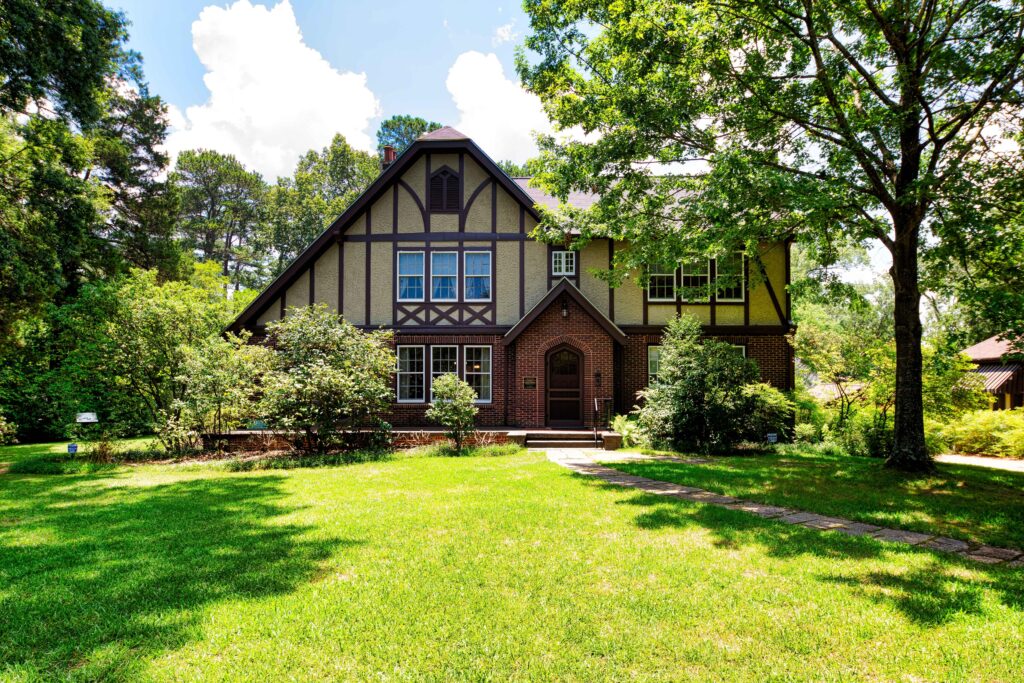
Eudora Welty House
It would be easy for a historic writer’s home to become purely a museum. Jackson’s literary institutions have generally pushed in the other direction. The Eudora Welty House & Garden continues to host lectures, writing programs and gatherings for contemporary readers and writers. Recent Writer’s Studio programming, for example, has brought writers together to work in the same space, followed by a literary salon with a guest author (Eudora Welty House & Garden, 2026).
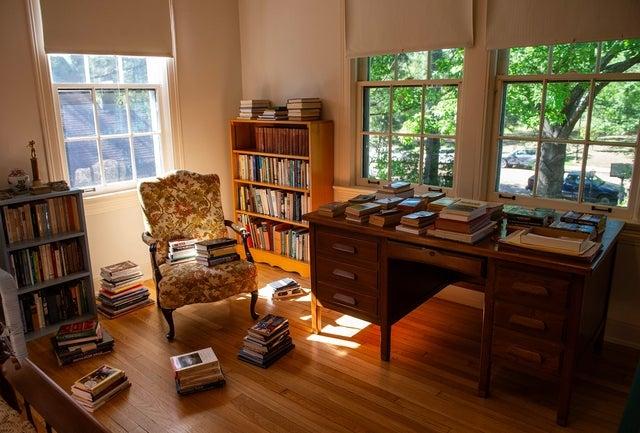
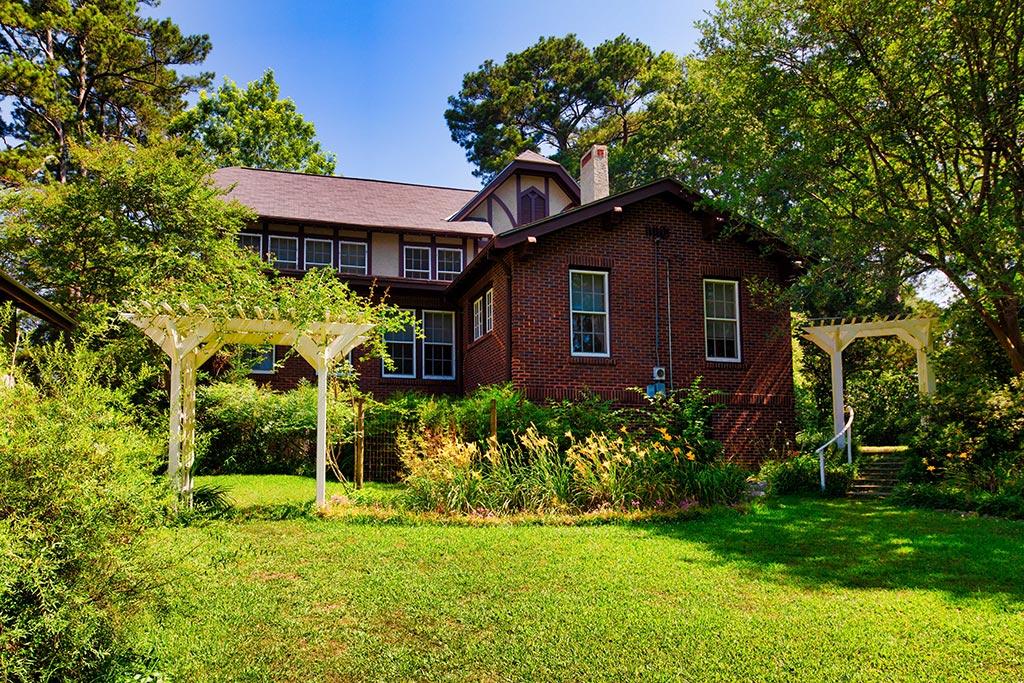
The idea is remarkably similar to what Welty’s own circle was doing decades ago.
Get writers in a room. Give them somewhere to work. Let them talk.
Then came the internet
Eventually, the local literary community gained a new kind of bulletin board.
The Jackson Free Press launched in 2002, creating another outlet for local writers, artists and readers to find one another. Its archives now form part of the Mississippi Free Press’ searchable collection of recent Mississippi history and journalism (Mississippi Free Press, 2025).
Then came blogs. Websites. Email newsletters. Facebook groups. Instagram. Substack. Event pages.
The number of ways to announce that a book exists has exploded.
A writer in Jackson can now post a poem in the morning, announce a reading that afternoon and have people across the city know about it before dinner.
That is obviously different from the world Welty inhabited.
But the more interesting question might be what hasn’t changed.
Jackson still needs places to gather
Look around Jackson’s literary world now and the old pattern keeps appearing in newer forms.
There are bookstores hosting readings and book clubs. There are universities bringing writers to campus. There are organizations preserving the work of writers who came before while creating programs for people who are writing now.
Even the book club is still here.
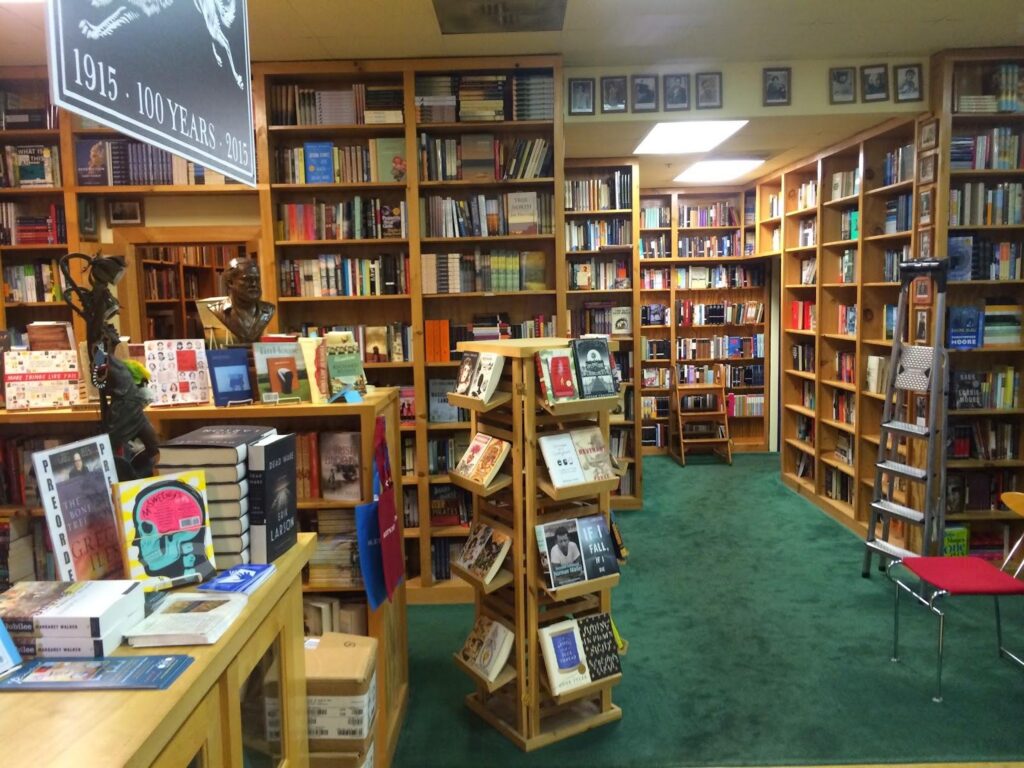
Lemuria Bookstore – Jackson, MS
The Cereus Readers, inspired by Welty’s own Night-Blooming-Cereus Club, has brought Jackson readers together to discuss Welty and other books connected to her work (Jackson Free Press, 2013).
The Eudora Welty Foundation continues to create programs for readers and emerging writers, including opportunities for young people to submit and share their own work (Eudora Welty Foundation, 2026).
And Jackson’s connection to literature extends beyond simply preserving the past. The city continues to produce writers, poets, professors, publishers and readers who are adding to Mississippi’s literary record.
That’s probably the part worth paying attention to.
A literary city isn’t necessarily a city where everyone is walking around with a novel in progress.
It’s a city where people who care about writing can find one another.
For a long time, Jackson’s version of that depended on newspapers, magazines, classrooms, bookstores, libraries and living rooms. Today, some of those same communities have websites and social accounts attached to them. Some have moved almost entirely online.
But the basic exchange hasn’t changed much.
Someone writes something.
Someone else reads it.
They talk about it.
Then somebody tells another person to come take a look.
That may be the simplest definition of a literary community, and Jackson has been practicing it for a very long time.
Sources & further reading
Mississippi Writers Page, University of Mississippi — A useful starting point for exploring Mississippi writers, literary landmarks, journals, magazines and publishers.
Mississippi Department of Archives and History — Its collections and newspaper archives are particularly useful for digging into Jackson’s earlier literary and cultural history.
University Press of Mississippi — For the history and continuing role of Jackson’s university press.
Eudora Welty House & Garden — For current literary programming and Welty’s connection to Jackson.