
For many people, arthritis doesn’t arrive all at once. It shows up in small negotiations.
You stop taking the long way through the grocery store. You pause before climbing the bleachers at a grandchild’s game. Gardening takes twice as long because kneeling hurts. A favorite walking trail becomes something you used to enjoy.
Eventually, conversations shift from stretching exercises and anti-inflammatory medications to cortisone shots, physical therapy appointments, and discussions about whether knee replacement surgery is inevitable.
For decades, osteoarthritis has largely been treated as a condition to manage rather than reverse. Doctors can often help reduce pain and improve mobility, but restoring damaged cartilage remains one of medicine’s most stubborn challenges.
Researchers in Colorado are now exploring a treatment that could someday alter that trajectory.
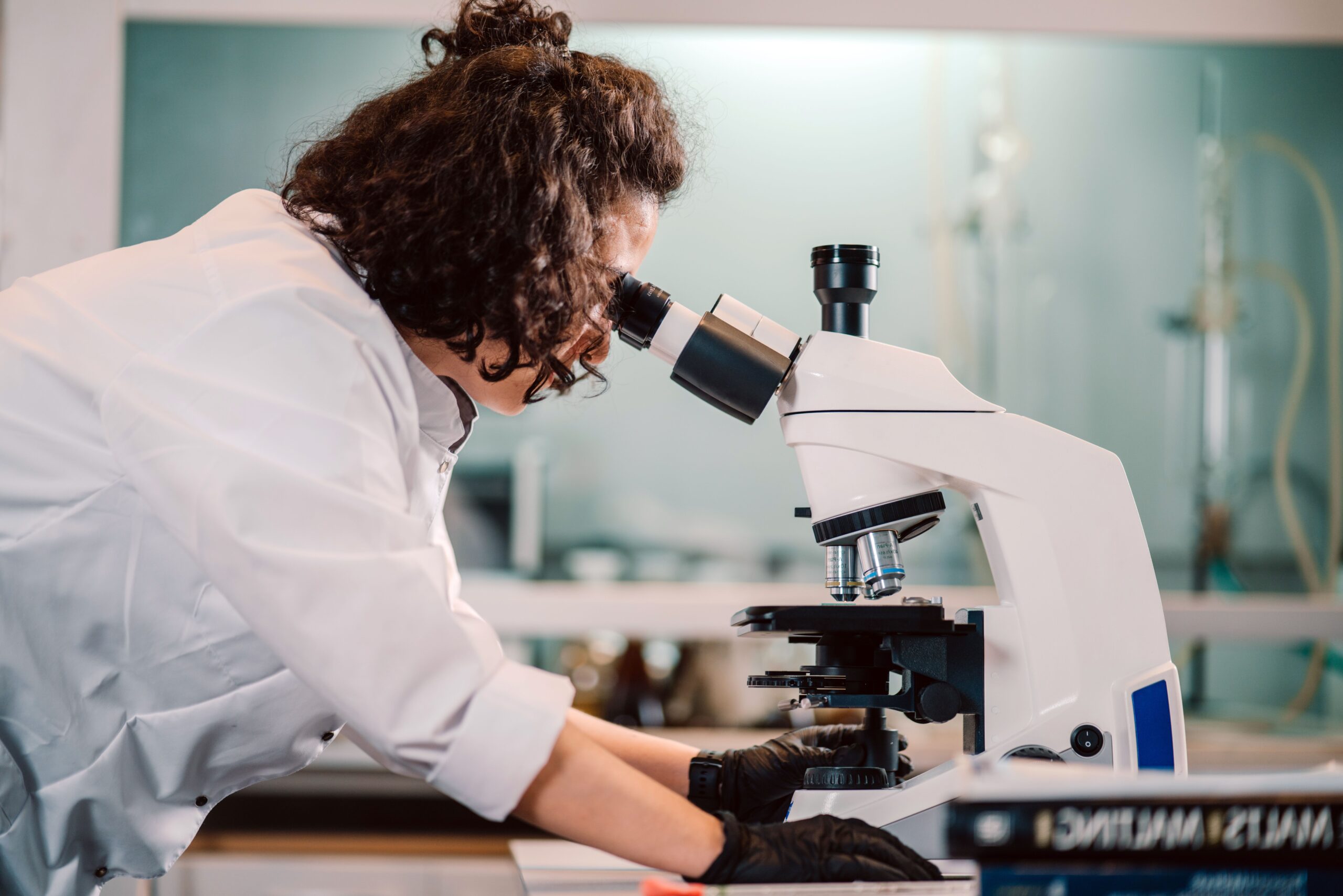
Scientists at the University of Colorado Boulder, working alongside colleagues from the University of Colorado Anschutz Medical Campus and Colorado State University, have developed an experimental injection designed to encourage joints to repair themselves. In animal studies, damaged joints appeared to return to a healthier state within four to eight weeks after treatment (University of Colorado Boulder, 2026).
The therapy is still years away from becoming something patients could receive at their local orthopedic clinic. Human trials have not yet begun, and researchers caution that animal studies do not always translate into successful treatments for people. Even so, the research raises an interesting question for Mississippi families.
What would it mean if arthritis someday became a condition that could be repaired instead of simply endured?

Why Arthritis Matters in Mississippi
Osteoarthritis is one of the most common chronic conditions in the United States. It develops when cartilage, the smooth tissue that cushions joints, gradually wears down. As cartilage deteriorates, bones can begin rubbing against one another, causing pain, stiffness, inflammation, and reduced mobility.
Mississippi has long carried a significant burden when it comes to arthritis and chronic joint pain.
A study analyzing Mississippi health survey data found that approximately one-third of adults in the state reported arthritis or chronic joint symptoms, with many also experiencing obesity, physical inactivity, and poorer overall health outcomes (James et al., 2008).
Statistics can sometimes feel abstract, but arthritis often reshapes daily routines in quiet ways.
It can influence whether someone feels comfortable attending church regularly. It can affect a nurse’s ability to remain on her feet during long shifts. It can limit opportunities for exercise, making it more difficult to manage other chronic conditions such as diabetes or heart disease.
For older adults, mobility is closely connected to independence. Losing the ability to comfortably drive, climb stairs, or shop without assistance can have ripple effects that extend beyond physical discomfort.

Joint replacement surgeries have helped millions of people regain mobility, but they are expensive procedures that require rehabilitation, transportation to follow-up appointments, and time away from work or caregiving responsibilities.
For residents living in communities with fewer specialty providers, accessing orthopedic care can present additional hurdles.
That context helps explain why researchers are interested in finding treatments that intervene much earlier in the disease process.
What Makes This Research Different?
Today’s osteoarthritis treatments are largely designed to manage symptoms.
Patients may take anti-inflammatory medications, participate in physical therapy, receive steroid injections, or undergo injections intended to improve joint lubrication.
These approaches can provide meaningful relief, but they generally do not regrow cartilage or stop osteoarthritis from progressing.
The Colorado team’s approach aims to do something different.
Researchers repurposed an existing FDA-approved medication and paired it with a patented slow-release particle delivery system. Instead of delivering the drug all at once, the particles release small amounts over time directly inside the affected joint (University of Colorado Boulder, 2026).
Scientists hope this sustained delivery encourages cartilage and bone cells to begin repairing damaged tissue.
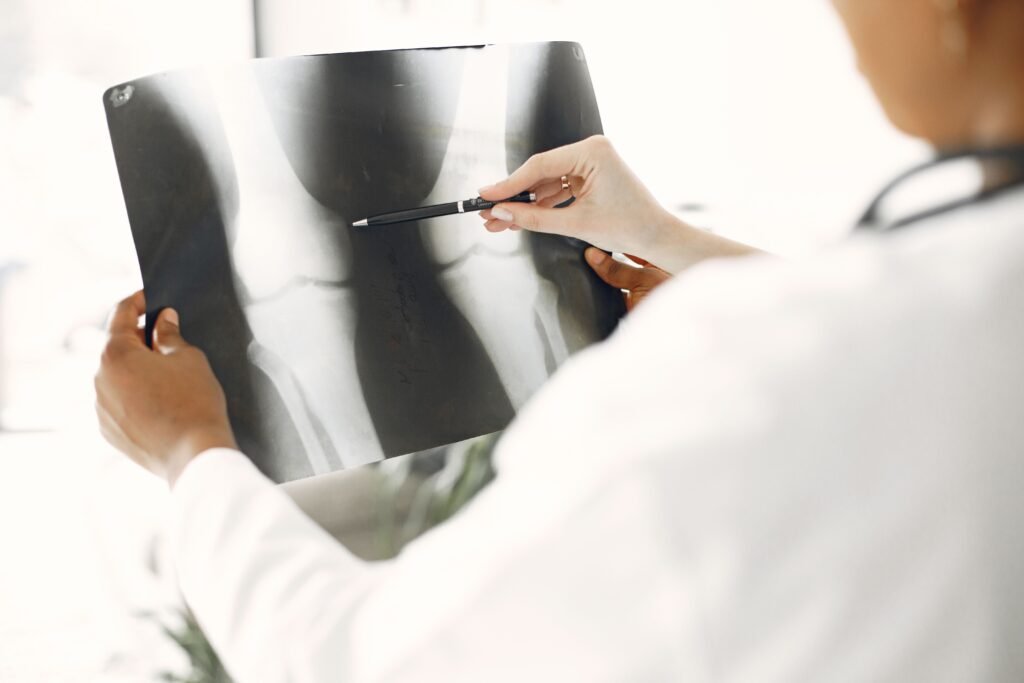
The researchers are also developing an injectable biomaterial scaffold that could fill defects in cartilage or bone. The scaffold is designed to recruit the body’s own progenitor cells and essentially provide a framework for rebuilding tissue where deterioration has already occurred (University of Colorado Boulder, 2026).
In animal models, investigators reported regeneration of cartilage and bone tissue and improvements in joint health within weeks.
That outcome helps explain why the project recently advanced into the next phase of the federal Advanced Research Projects Agency for Health, or ARPA-H, Novel Innovations for Tissue Regeneration in Osteoarthritis program. The effort has the potential to receive up to $33.5 million in funding as research continues (University of Colorado Boulder, 2026).
Researchers estimate that, if future studies are successful, human clinical trials could begin within approximately eighteen months (University of Colorado Boulder, 2026).
Still, experts emphasize that this remains an experimental therapy.
Biomedical research is full of promising discoveries that produce exciting results in laboratory settings but ultimately fail to demonstrate the same effectiveness in larger human studies.
At this stage, optimism should probably be paired with patience.
Why Jackson Should Pay Attention
Even if this specific therapy never reaches widespread clinical use, the research highlights a broader shift taking place in medicine.
Increasingly, scientists are asking whether damaged tissues can be regenerated rather than merely managed.
That philosophy has already begun influencing treatments for burns, heart disease, spinal cord injuries, and certain blood cancers.
Osteoarthritis may be next.
For Mississippi residents, regenerative therapies could eventually offer more than pain relief.
They could potentially help people remain in the workforce longer.
They might reduce the number of invasive surgeries needed over a lifetime.
They could help older adults maintain independence and continue participating in the routines that give communities their texture, whether that means volunteering, fishing, attending family reunions, or simply taking evening walks around the neighborhood.
Of course, accessibility matters.
If regenerative treatments become available, questions about insurance coverage, affordability, and geographic access will quickly follow.
Mississippi residents are familiar with the reality that medical breakthroughs do not automatically become available to everyone at the same time.
Still, there is something encouraging about research focused on restoration rather than decline.
For many arthritis patients, the prevailing message has long been that joints inevitably worsen with age and that treatment options eventually narrow to managing discomfort or replacing damaged tissue with metal and plastic.
Scientists in Colorado are testing a different possibility.
They are asking whether worn joints can be persuaded to heal.
The answer remains uncertain.
But for people who have spent years measuring their days around knee pain, shoulder stiffness, or aching hips, even the prospect of a future built around repair instead of resignation may be worth paying attention to.