Across the United States, certain cities emerge as “testbeds” where new approaches to housing, health, technology, and community development are tried out. Jackson, Mississippi, is increasingly one of those places. The city’s scale, challenges, and creative energy have attracted developers, nonprofits, and civic innovators who see opportunity to test fresh ideas that may later be replicated elsewhere. From housing that doubles as healthcare to cooperative economics, Jackson is becoming a living laboratory for innovation.
Housing and Health in One Experiment
One of the clearest examples of Jackson as a testbed comes from The Pearl, a 76-unit affordable housing development for residents over 55 that also includes an on-site health clinic. Developed by Gulf Coast Housing Partnership, the project is designed to address both shelter and access to care, recognizing that stable housing and healthcare are deeply linked. The clinic is run by Central Mississippi Health Services and is meant to provide preventive and ongoing care directly where residents live (Housing Finance, Enterprise Community Partners).
This pairing is more than convenience. By co-locating services, the developers hope to generate measurable improvements in residents’ health outcomes while reducing strain on emergency rooms. If the model proves successful, it may serve as a template for other cities struggling to meet the needs of aging populations.
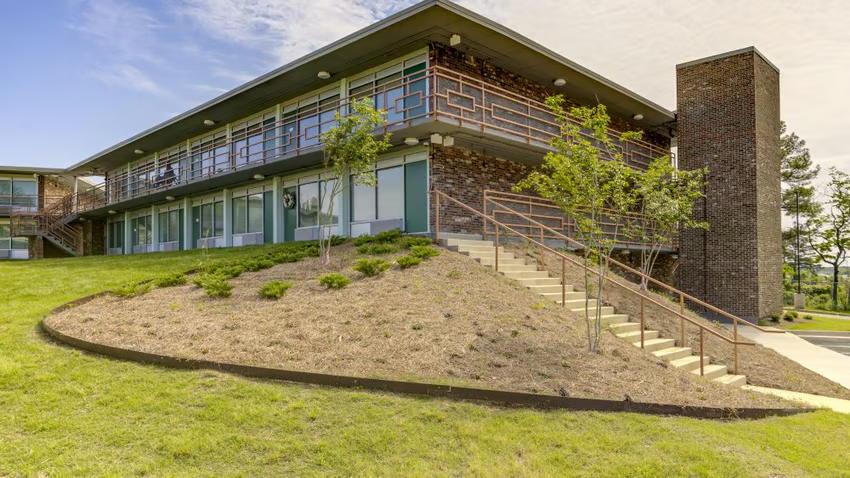
Photo from Development Brings Affordable Housing and Health Care to Mississippi by Affordable Housing Finance (Harold Lyle Films)
The JXN Tech District and Downtown Renewal
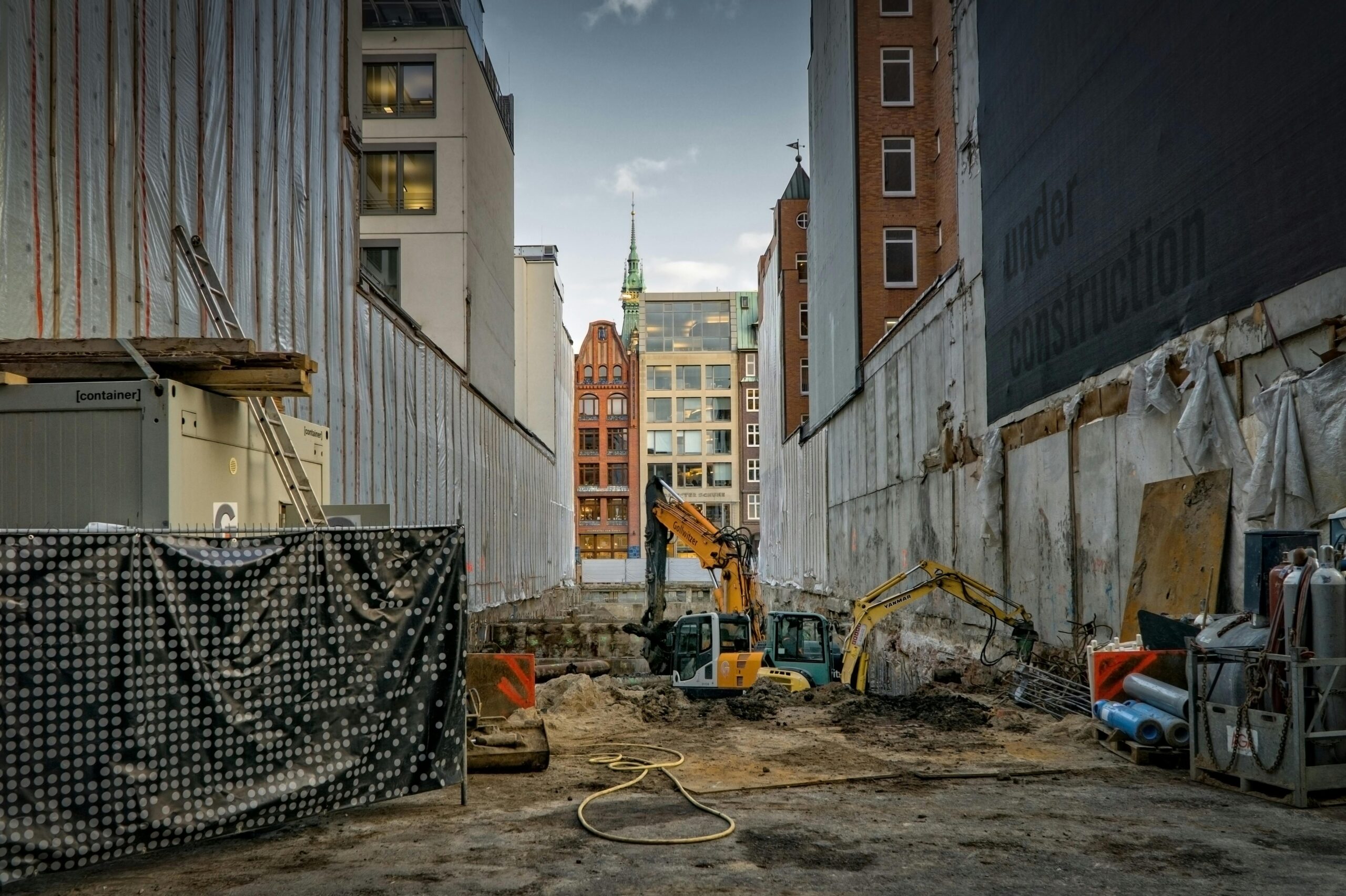
Jackson’s downtown has long suffered from vacancy and disinvestment. A $150 million development known as the JXN Tech District aims to change that by converting neglected parcels into a mixed-use innovation hub. The project envisions apartments, coworking space, maker labs, cultural venues, and retail designed to draw both talent and investment back into the city core (Neoo Partners).
What makes the Tech District experimental is not only its scale but also its intent to blend technology-driven businesses with arts and culture. Rather than simply providing office space, the project seeks to create a community that is as attractive to a start-up founder as it is to a muralist. If successful, it could demonstrate a model of inclusive economic development in a region that has often struggled with inequity.
State-Led Innovation in Artificial Intelligence
In early 2025, Mississippi announced the launch of an Artificial Intelligence Innovation Hub based in Jackson. The initiative, supported by the Mississippi Department of Information Technology Services, is designed to foster workforce development, research, and applications of AI in both the public and private sectors (Mississippi ITS).
By hosting the hub in Jackson, the state is positioning the capital as the epicenter for experimentation in AI. Pilot programs could range from government service improvements to partnerships with local universities and companies. For Jackson, this means being on the front lines of emerging technology rather than simply following trends from larger metropolitan areas.
City Hall Innovation Teams
Innovation is not limited to the private sector. Through a partnership with the Bloomberg Center for Public Innovation, Jackson is embedding an “i-team” within city government. These teams are tasked with applying evidence-based methods to urban challenges and developing prototype solutions that can be scaled. The concept has been tested in other U.S. cities, and Jackson is now adapting it to its own context (Alliance Mississippi).
Questions remain about which problems the team will prioritize. Housing, transit, and permitting are often ripe for reform. By placing innovation experts inside city hall, the hope is to change the culture of governance and build a track record of data-driven results.
Grassroots and Cooperative Models
At the grassroots level, Jackson is also home to Cooperation Jackson, a network of worker cooperatives, mutual aid initiatives, and a community land trust. This movement is attempting to build what it calls a “solidarity economy” through cooperative ownership and urban farming. While small in scale compared to large developments, Cooperation Jackson is an experiment in creating alternative economic systems in a city that has faced significant economic challenges (Wikipedia).
Projects like these may not deliver immediate large-scale results, but they test what is possible when communities pool resources and rethink ownership. They also provide lessons for cities across the country exploring alternatives to traditional economic development.
Affordable Housing and Mixed-Use Projects
Jackson has also seen a wave of affordable housing projects designed to test new financing models. Developments like the Jackson Trio have leveraged Payment-In-Lieu-Of-Taxes incentives to deliver affordable units while still attracting investment (WAPT). Similarly, the Jackson Yards, a $30 million downtown project, aims to co-locate workforce training, housing, and small business space, testing whether integrated developments can revitalize neglected urban blocks (Jackson Advocate).
These efforts offer insights into what policies and partnerships can encourage development that is both profitable and equitable.
Why Jackson Works as a Laboratory
Several factors make Jackson a natural testbed city. The scale is large enough to yield meaningful results but small enough to allow for experimentation without prohibitive costs. Vacant land and underused buildings provide opportunities to try new approaches with relatively low barriers. Just as importantly, the city’s pressing needs create urgency for new ideas. Infrastructure crises, economic inequality, and health disparities mean that traditional approaches are no longer sufficient.
Cross-sector interest also plays a role. Philanthropic foundations, private developers, nonprofits, and government actors all see Jackson as fertile ground for innovation. When aligned, these stakeholders can drive change that would be harder to achieve in more rigid urban environments.
Lessons Beyond Jackson
The experiments unfolding in Jackson will not all succeed. Some may stall due to funding, politics, or lack of community buy-in. Yet even partial successes can inform broader debates about how American cities address housing, health, governance, and economic development. By documenting and analyzing these efforts, Jackson positions itself not only as a testbed but also as a source of lessons for other communities.
For readers in Jackson, these projects provide a window into how their city is being reshaped. For outsiders, they illustrate how innovation often emerges not in the biggest markets but in places where creativity meets necessity.