Mississippi has no shortage of dirt. Red clay, Delta silt, Yazoo loam — the kind of soil that’ll stain your sneakers, sculpt your childhood, and maybe, one day, build your home.
Yes, build your home.
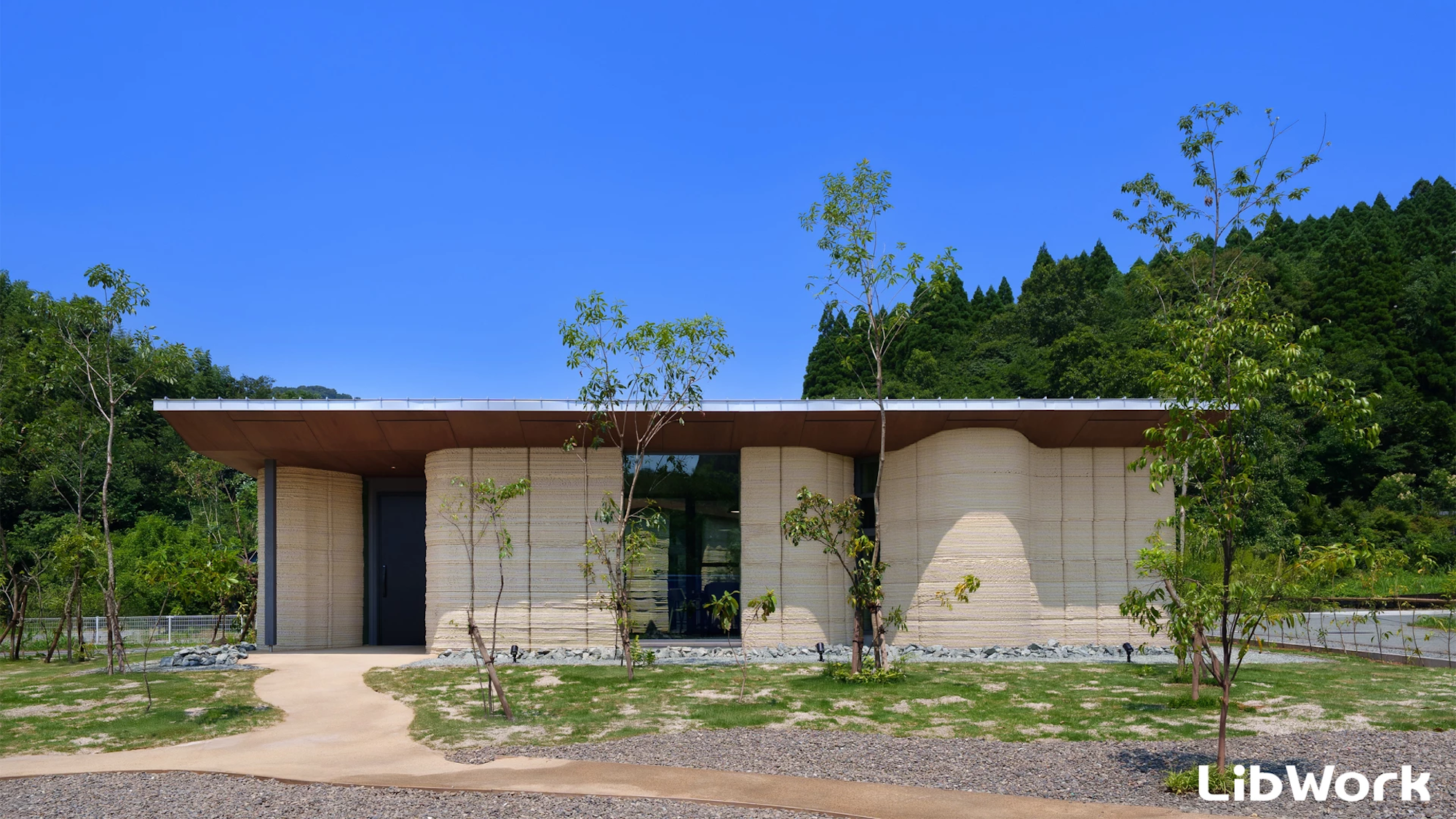
A Japanese company recently unveiled a 3D-printed house made mostly from soil, lime, and natural fibers. It’s off-grid, solar-powered, energy-efficient, and designed to be taken apart someday so the materials can literally return to the earth (Popular Science, “This 3D-Printed Home Is Built From Dirt”). The structure looks more “modern art museum” than “mud hut,” with sleek ribbed walls and big windows that invite sunlight instead of bugs.
It’s called House Model B, and it might just be the most polite home to ever exist — zero waste, zero emissions, and apparently strong enough to shrug off earthquakes.
So naturally, the question for Jackson is: could we build one right here out of Mississippi clay?
A House With Dirt Cred
The technology behind it comes from a collaboration between Japan’s Lib Work and an Italian company called WASP (which, against all odds, stands for “World’s Advanced Saving Project,” not a country club). Using a massive 3D printer, they built a 1,000-square-foot home by layering an earthen mix straight from the ground. The result? A home five times stronger than their previous cement-based design — and a process that emitted far less carbon along the way (Lib Work, 3D Printer House Model B).
Sensors inside the walls monitor moisture and insulation, testing whether dirt can outperform drywall in comfort and durability.
And the best part: it looks good. Think cozy minimalist retreat, not Hobbit hole.
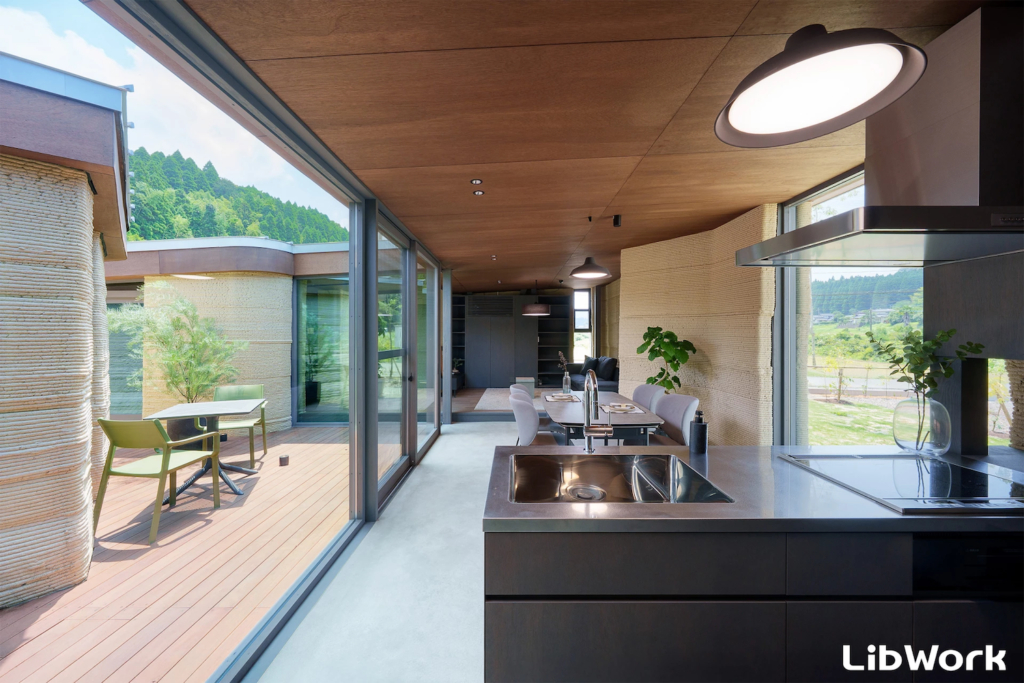
Images by Lib Work
Why This Isn’t Just “Cute Tech News”
At first glance, a dirt house might sound like something out of an HGTV parody: Fixer Upper: Clay Edition. But this idea strikes at some of Jackson’s most urgent challenges — affordable housing, sustainability, and resilience.
Traditional construction materials — concrete, steel, lumber — are expensive and often imported from far away. Meanwhile, Mississippi’s soil is quite literally underfoot. Using what’s local could dramatically cut costs and environmental impact.
Experts have been exploring earthen materials for years, but 3D printing makes it faster, safer, and far more precise. What once took weeks of labor can now happen in days with robotic accuracy and almost no waste (Fast Company, “3D-Printed Homes Could Be the Future of Affordable Housing”).
Imagine an eco-friendly house that costs less, stays cooler in summer, and comes pre-wired for solar panels — all made from Mississippi mud.
Jackson, Meet Your Future Builders
It’s not so far-fetched. In fact, several U.S. startups are already experimenting with 3D-printed housing as an answer to affordability crises (CNBC, “3D-Printed Homes Are the Next Frontier”). Austin has an entire neighborhood of printed concrete houses. California’s been trialing 3D-printed shelters for wildfire victims.
Jackson, with its mix of creativity and pragmatism, might be the perfect next testing ground. Between local clay and a community that already knows how to make something out of nothing, the city could lead the way in sustainable Southern architecture.
Imagine a Mississippi State–JSU collaboration where engineers, artists, and builders use regional soil data to craft custom 3D mixes — homes that breathe like the Delta and stand as tough as Yazoo clay.
Dirt: The Original Smart Material
Long before modern concrete, people around the world built with earth — from adobe in New Mexico to cob cottages in England. These homes often lasted centuries because earthen materials naturally regulate temperature and humidity.
In a humid Southern climate, that means cooler summers, fewer toxic materials, and less energy use (University of Cambridge, “Sustainable Earth-Based Construction”).
Add solar panels and rainwater systems, and suddenly your dirt home isn’t primitive — it’s futuristic minimalism with a Southern drawl.
Southern Practicality Meets High Tech
The 3D-printed earthen home appeals to the same sensibility that birthed the Mason jar and the backyard tomato patch: make do, waste less, and use what’s nearby.
Mississippi has that mindset baked in. The difference now is the tools. Instead of a shovel, it’s a robot printer layering clay like icing on a wedding cake. Instead of sweat equity alone, it’s code and chemistry joining hands with craftsmanship.
It’s hard not to imagine Jackson neighborhoods that mix history and innovation: shotgun houses beside sleek earthen domes, local soil shades blending into the landscape. A cityscape that literally looks of the earth.
Would It Actually Work Here?
There would be hurdles, of course. Building codes in the U.S. still treat new materials like suspicious strangers. 3D printing with local soil would need rigorous testing for strength, moisture, and durability. Insurance companies would need to catch up.
But Mississippi has no shortage of testbeds: community colleges, rural land, and housing co-ops eager for affordable, climate-resilient models. Add federal grants for sustainable construction, and the math starts to look surprisingly doable (U.S. Department of Energy, “Advancing Affordable Housing Through Innovation”).
If anywhere could make “from the dirt up” a literal phrase, it’s here.
The Future Is Muddy (and That’s a Compliment)
The idea of living in a dirt house once sounded like a step backward. Now it might be a leap forward — an embrace of the materials that built civilizations before us, made smarter with twenty-first-century tech.
Maybe one day, Jackson builders will trade lumber for loam, and neighborhoods will sprout from the ground like they belong here. The South’s oldest resource could become its newest innovation.
So yes — one day, you might brag about your dirt house. It’ll keep you cool in July, save you money year-round, and when the time comes, it’ll return gracefully to the land it came from.
And that’s not just sustainable. That’s Southern logic.